
Makers of Slovenia, From Peaks to Coast

Today we dive into Regional Profiles of Slovenian Makers: Alps, Karst, Pannonian, and Coast, tracing how landscapes shape workshops, tools, and creative identities across the country. We follow mountain paths, wind-swept plateaus, river-laid plains, and salt-bright shores to meet artisans whose methods honor memory while embracing thoughtful innovation. Expect field notes, practical traveler insights, and heartfelt stories that invite you to connect, comment, and cheer for the lively conversation between hands, materials, and place. Subscribe and share your favorite studios, markets, and makers so this map grows with every reader’s curiosity and care.

Highland Workshops and Alpine Resilience

In the high valleys and spruce-lined slopes, craft is shaped by weather, altitude, and a calm insistence on reliability. Wood is planed for endurance, wool is felted for warmth, and metalwork refines small tolerances that matter when storms test gear. From family sheds beside tumbling creeks to cooperative ateliers near winter trails, makers balance tradition with measured experimentation. Bobbin lace from the Alpine foothills and forged nails from historic smithies join modern skis, lamps, and tableware, proving practical beauty thrives where effort, humility, and long winters form attentive hands and patient minds.

Carved Timber and Mountain Tools

Spruce and beech become snow-ready sled runners, shepherds’ staffs, cooking ladles, and joinery that resists swelling when cabins breathe through long thaws. Makers read knots like cartographers read contours, orienting grain to the stress of load and daily handling. Handles are shaped to steady tired gloves, while finishes rely on plant oils suited to icy air. Visit a workshop at dusk and you may see an offcut reborn as a spoon, a peg, or a repair wedge, wasting nothing, honoring the tree, and teaching patience through quiet, incremental strokes.

Wool, Felt, and Warmth

Upland flocks, including the hardy Jezersko–Solčava sheep, provide fibers that tell stories of slope, pasture, and seasonal rhythm. Spinners and felters turn carded wool into slippers, blankets, and jackets that breathe on climbs and insulate at rest. Natural dyes echo larch bark and Alpine flowers, while patterns carry motifs of peaks and stars read on crisp nights. Visit open studios to feel loft, resilience, and texture; ask how fulling times vary with water temperature and soap. Each answer reveals a quiet science of comfort, endurance, and care for the wearer.

Stone, Wind, and the Karst Imagination

Across the limestone plateau, the bora wind writes its presence into architecture, storage, and rituals of making. Stone keeps memory: shelves chiseled into cellar walls, lintels scuffed by barrels, and paths edged with pale fragments carried from fields. Dry-stone walls stretch like poems without ink, and in courtyards, tools lean where gusts cannot steal them. Workshops cherish shadows and cross-ventilation, essential for curing foods and finishes. Makers here innovate with patience, aligning processes to climate and geology, and their measured, elemental forms prove restraint can be deeply expressive and profoundly modern.

Plain-Speaking Craft of the Pannonian East

Clay That Remembers Riverbeds

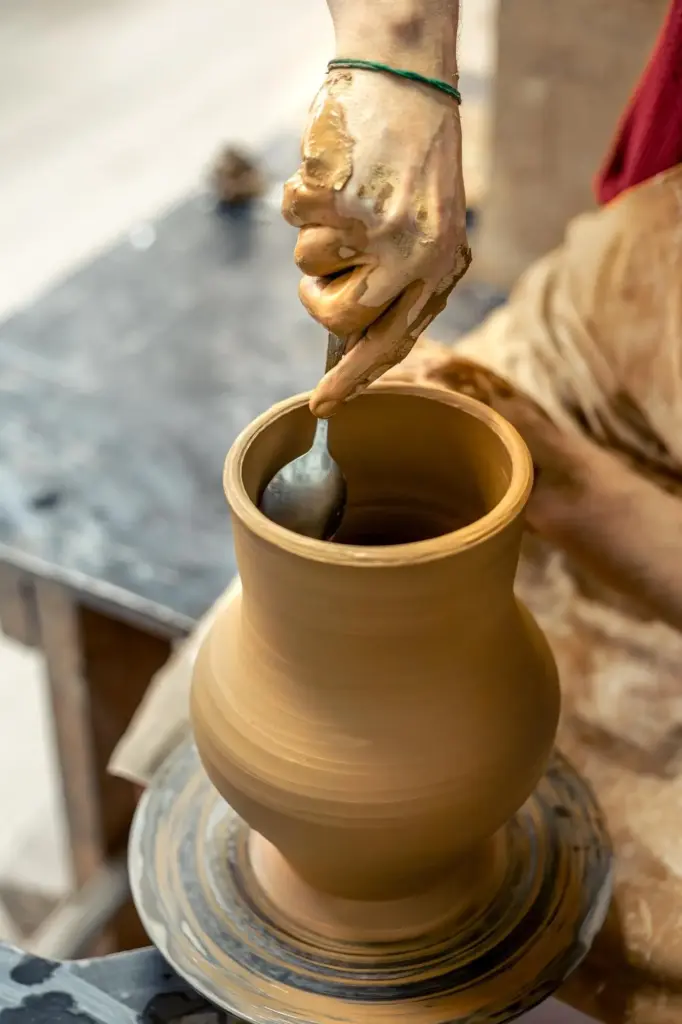
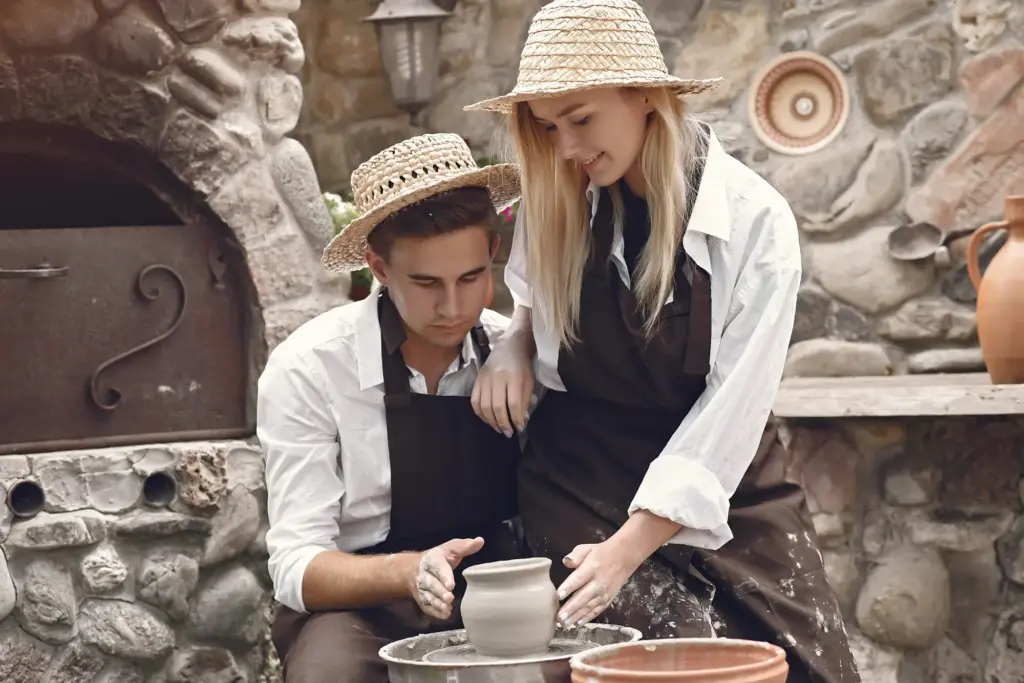
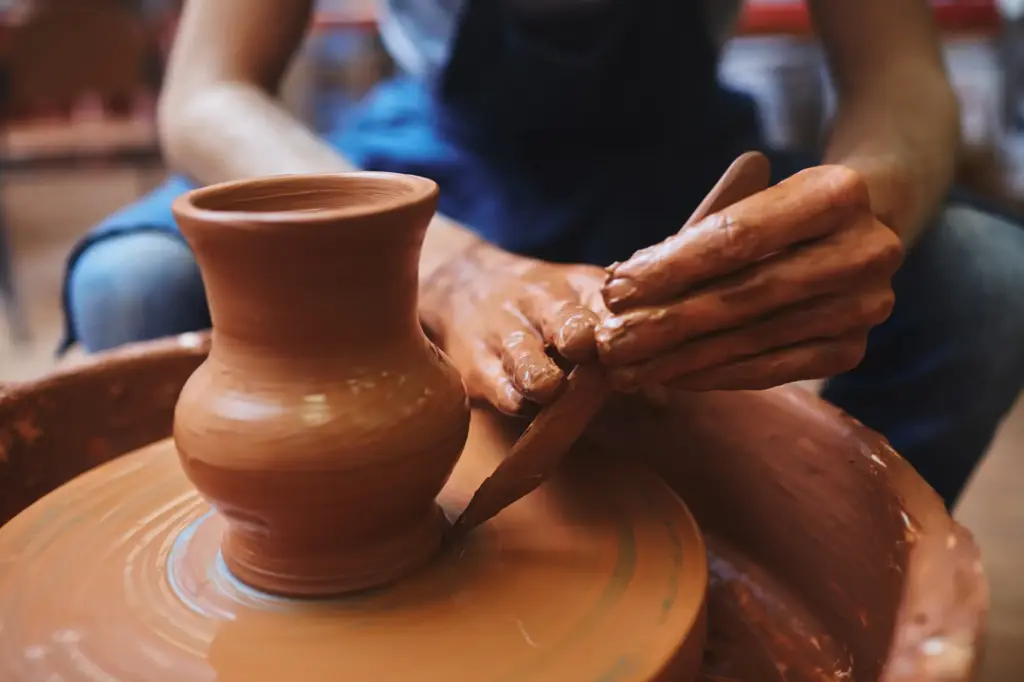
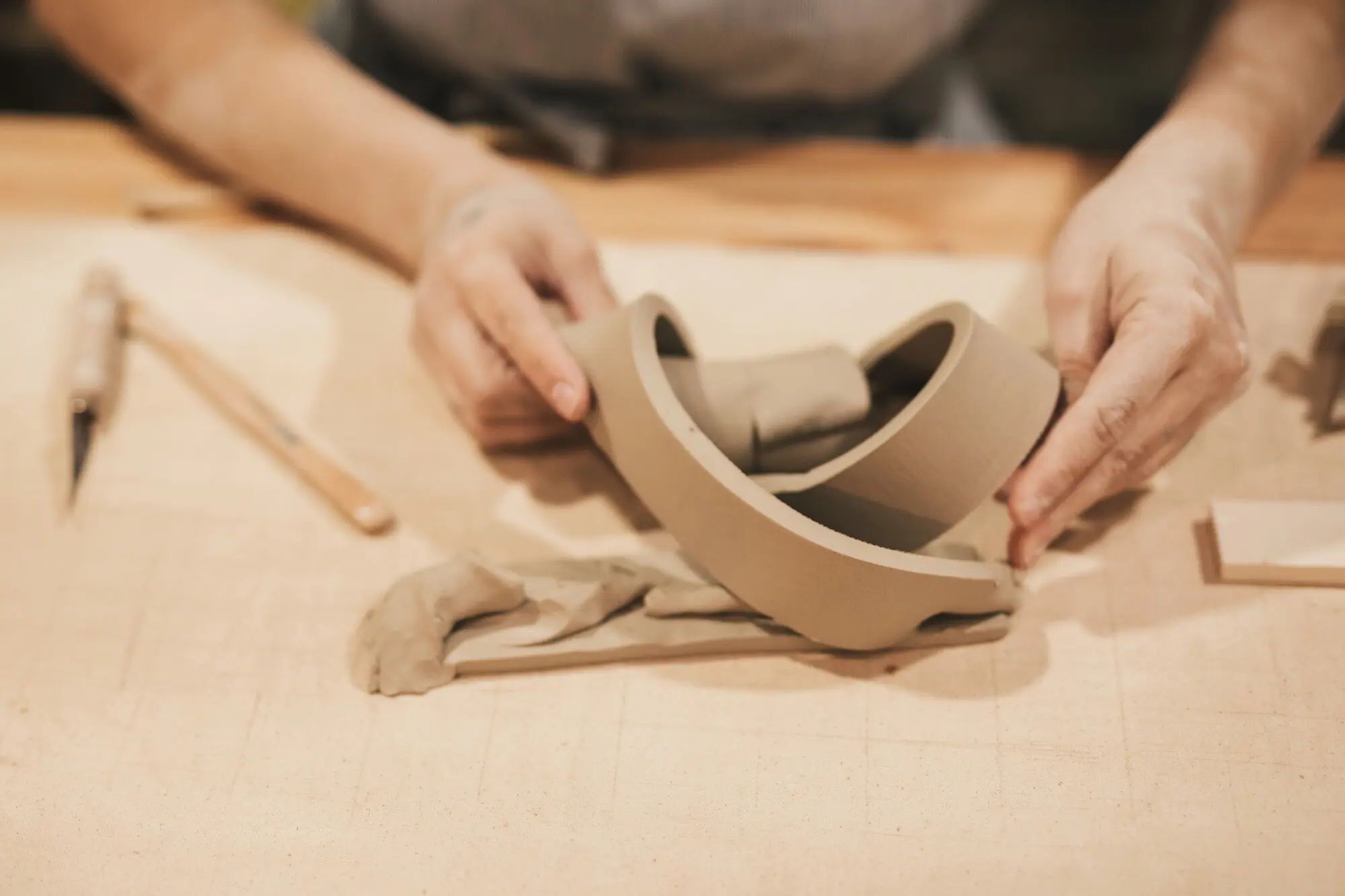
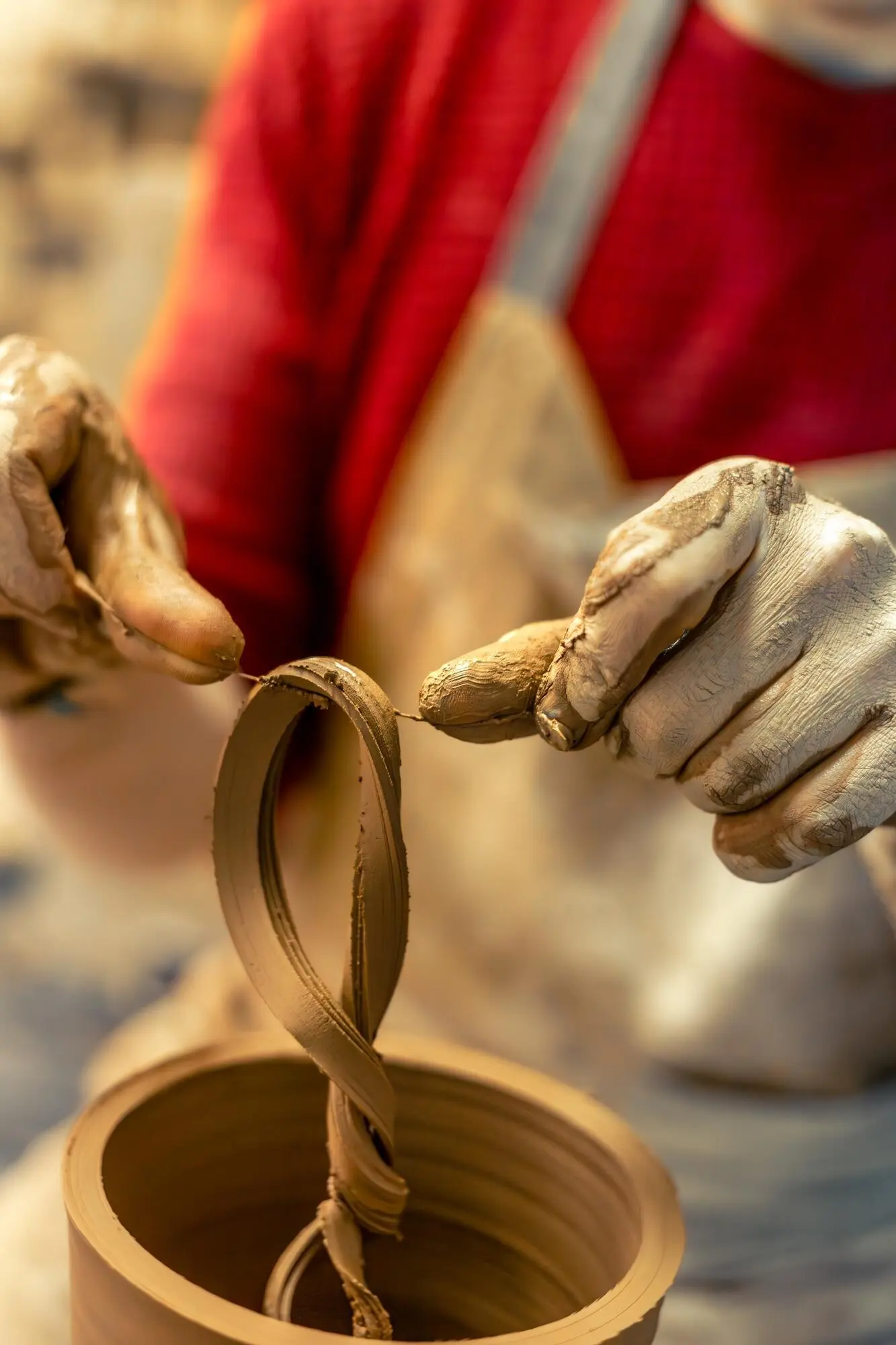
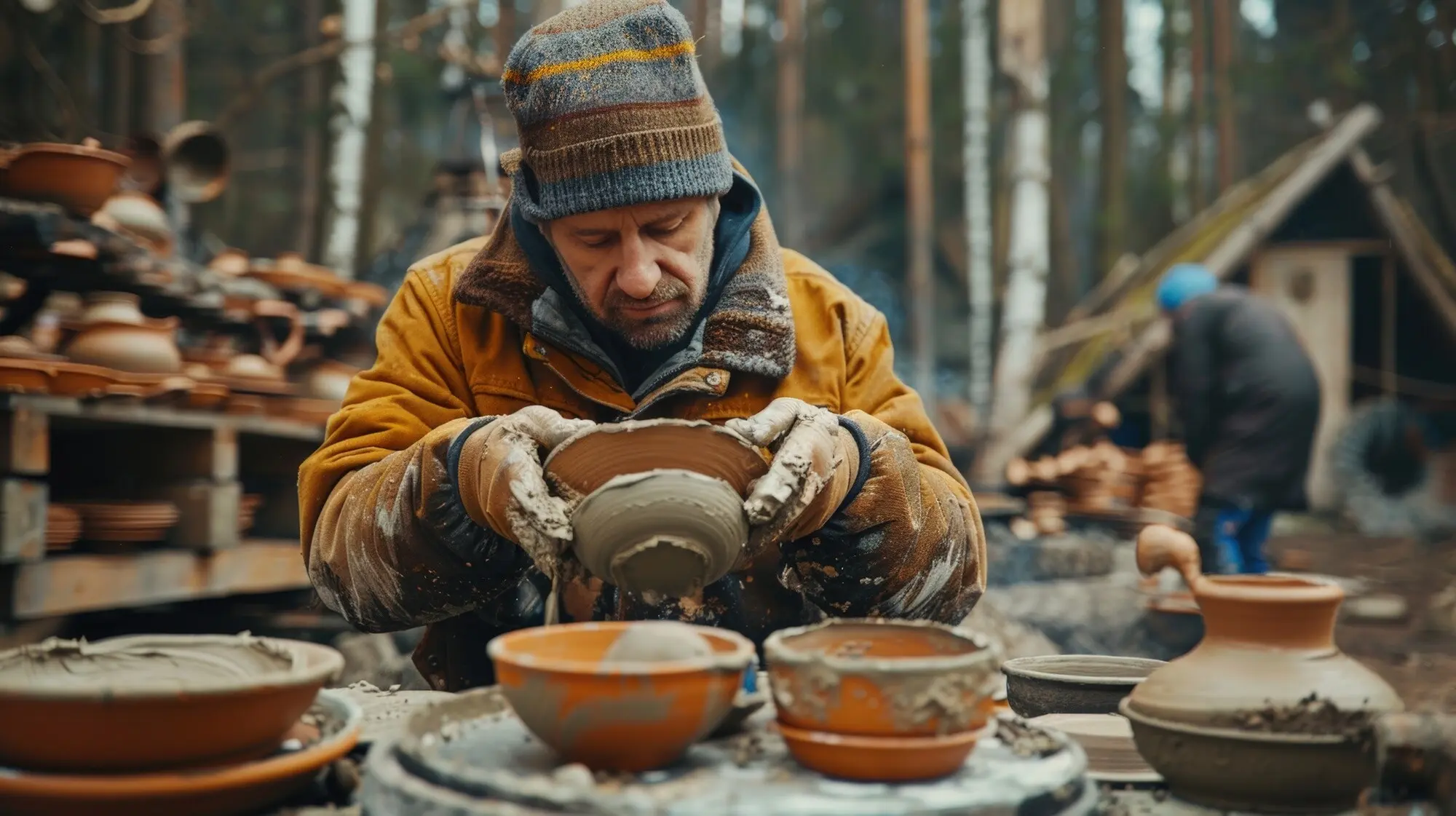
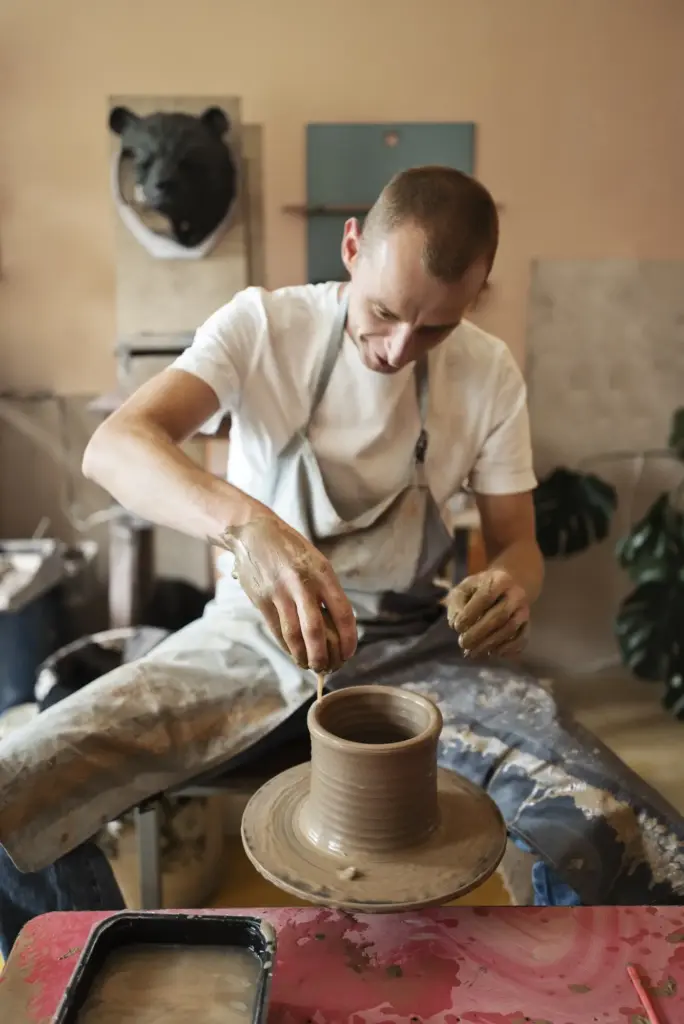
Potters wedge local clays until they feel a consistent softness that remembers patience, not haste. Wheels spin bowls for stews, lidded pots for slow bakes, and cups that keep tea warm on foggy mornings. Slips and glazes echo silt tones, reeds, and migrating birds. Firing schedules adapt to kiln temperament and humidity, with test tiles tracking changes across seasons. Visitors often carry home a humble casserole dish and later write back about stews that somehow taste calmer. That is the secret: clay offers steadiness, and food answers with comfort.

Straw, Willow, and Everyday Baskets

Basketmakers harvest willow rods and straw at careful lengths, then soak, split, and sort by flexibility. Bases begin as quiet crosses, weaves rise with even pressure, and rims close with a practiced twist that keeps tension singing rather than biting. Shapes reflect chores: wide for apples, deep for potatoes, oval for bread. Dyes are minimal, preferring honest fibers that age like good advice. Talk to these makers about handle placement, and you will hear a lecture on balance, hips, and shoulders. Utility here feels graceful, never stern or scolding.

Oil Presses and Kitchen Alchemy

Pumpkin seeds, sunflower kernels, and walnuts become amber, green, and gold under steady pressure, releasing aromas that remake a salad into a memory. Millers roast lightly to coax depth, then guide seeds through screw presses whose creaks sound reassuring, not hurried. Settling tanks clarify quietly, while labels share harvest dates as proudly as names. Tastings pair bread, salt, and vinegar, proving generosity can be measured in drips. Ask about cake, the pressed seed byproduct; you will learn how nothing is wasted when crumbs enrich baking, farms, and friendships.

Salt, Sails, and Coastal Light

Along the shore, salt pans draw horizon lines that teach patience, geometry, and care for delicate ecologies. Artisans tend petola, the protective biofilm of the pans, and shape wooden scrapers, rakes, and carriers to move crystals without bruising them. Nearby, boatbuilders and net-menders absorb tides into their timing, aligning wood choices and knots with seasonal work. Studios carve olivewood, restore oars, and frame sea-lit prints. Everything listens to weather. Even a small hinge receives attention because brine, sun, and wind reward integrity. Visitors leave tasting brightness and seeing craft as choreography with light.

Pans and the Quiet Geometry of Salt

Salt workers balance depth, wind, and sun with measured steps that feel like walking inside a blueprint. Tools are simple, but their proportions matter, translating body motion into gentle guidance for floating crystals. Petola needs protection through careful cleaning, never scraping too deep. Workshops near the pans repair handles, re-lash joints, and craft frames that dry in shade, not glare. Taste fleur de sel and you understand moderation as an art, where the smallest flakes carry whole afternoons of waiting. It teaches a humility that refines appetite and attention, equally.
Boatbuilders, Nets, and a Harbor’s Rhythm

In the shelter of ports, keels curve like long-held breaths. Craftspeople loft lines, laminate ribs, and choose fastenings that will forgive swell without surrendering strength. Nets are mended with practiced needles, mesh measured by hand memory hidden in pockets. Paint is a promise renewed each season. Ask how a dinghy differs from a fishing boat here, and you will receive lessons in beam, draft, and purpose. The shop smells of resin and stories; coffee cups stand on sawhorses beside charts. Every tide writes a note on the day’s to-do list.
Olives, Citrus, and Sunlit Materials

Olivewood offcuts become spoons, trays, and handles whose grain mirrors shorelines. Citrus peels tint dyes for papers and textiles, adding gentle pigments that laugh in winter’s face. Makers prize shade-drying racks, linen wraps, and finishes that resist salt air without sealing away breath. Photographers mount images in frames crafted from reclaimed shutters, while ceramicists etch waves into slip. Studio doors stay open for conversation; breeze edits decisions as kindly as any mentor. When you carry a piece home, you also carry a window, bright with the promise of breakfast by the sea.
Design Bridges and Shared Techniques

Across regions, makers trade notes at markets, fairs, and workshops, turning local strengths into collaborations that travel confidently. A metalworker from the Alps may prototype hinges for a coastal boatbuilder, while a Karst stonemason learns pigment recipes from a Pannonian potter. Design schools and community labs encourage material literacy and circular thinking, pairing laser cutters with chisels, and digital drawings with field sketches. This bridging respects roots and celebrates evolution. The result is a common language of care, where old tools greet new methods and objects carry both memory and momentum.

Routes, Seasons, and Respectful Visits

Alpine workshops welcome visitors outside blizzards and peak holidays; Karst courtyards prefer mild days when the bora is gentle. On the plains, harvest calendars guide schedules, while along the coast, humidity influences openings. Always ask before photographing and step carefully around drying racks, kilns, and benches. Children are welcome where safety allows, especially if adults model curiosity and patience. A small gift from your region becomes an instant icebreaker. Journeys stitched from these courtesies feel warmer, richer, and truer, building friendships that outlast purchases and lead to stories worth retelling kindly.

Gifts, Orders, and Fair Pricing

Handmade work carries years of practice, materials chosen with care, and inevitable seconds that teach lessons. Prices reflect not only workshop hours, but also the quiet investments no receipt lists: apprentices mentored, tools sharpened, roofs mended, and festivals attended. When placing custom orders, be generous with lead times and honest about usage. Makers appreciate precise dimensions, reference photos, and trust. If you need repairs, ask; many objects are designed for maintenance, not replacement. Paying fairly funds continuity, helping crafts survive booms, busts, and the regular weather of making a living with hands.
Pirasanolivolaxi
Privacy Overview

This website uses cookies so that we can provide you with the best user experience possible. Cookie information is stored in your browser and performs functions such as recognising you when you return to our website and helping our team to understand which sections of the website you find most interesting and useful.