
Hands, Hearth, and Hills: Making Things That Last in Slovenia
Welcome to a journey through Sustainable Craft Practices in Slovenia: Local Materials and Low-Waste Methods, where nimble hands, careful minds, and generous landscapes meet. We will follow wool from high pastures, timber from well-stewarded forests, and clay from gentle riverbanks to see how makers cut waste, honor resources, and shape objects that carry place, memory, and responsibility into everyday life.
From Mountains to Market: Sourcing Materials with Care
Across Slovenia, material choices begin with respect. Shepherds, foresters, salt workers, and small quarries collaborate with artisans to keep extraction light, traceable, and restorative. By choosing nearby fibers, timber, minerals, and seasonally available plant matter, makers shrink transport emissions, ensure fair pay for stewards of the land, and keep knowledge loops tight enough that a flawed bale of wool or damp board can be discussed, understood, and improved together.
Spinners and felters begin by washing fleece gently to preserve strength and lanolin, then sort by staple length so nothing is wasted. Short fibers felt into slippers and padding, long locks twist into resilient yarns, and odd remnants become stuffing for cushions. Natural dyes from walnut hulls, onion skins, and goldenrod lend earthy tones, while careful scouring and sun-drying reduce energy. Each scarf or blanket carries the hillside’s scent and a shepherd’s quiet pride.
Cabinetmakers prefer air-dried boards from responsibly managed forests, planed just enough to reveal grain while minimizing sawdust. Offcuts become spatulas, toy blocks, and spoon blanks; shavings cushion packages or fire an efficient stove. Joints rely on wedges and pegs more than glue, allowing future repairs and disassembly. By reading knots and rings like a diary of weather and growth, makers honor every plank, shaping household objects that age gracefully and invite gentle touch.
Idrija Lace and the Geometry of Less
In Idrija, bobbin lace translates restraint into elegance. Patterns evolve to use continuous threads, reducing cut ends and snarls. Makers store bobbins for decades, rewinding remnants into borders and wedding ribbons. Time is not wasted; it is invested, yielding heirlooms light as breath yet strong as intention. By documenting stitches and sharing pricked cards, communities preserve methods that keep material use lean, hands steady, and intergenerational care alive in every crossing and pinhole.
Bobbins, Patterns, and Patient Hands
Each bobbin holds a measured length, preventing overestimation and piles of leftover thread. Lace makers chart pathways like rivers, guiding pairs to meet efficiently while keeping tension balanced. Mistakes are not discarded; they are unpicked, teaching fingers to listen better. Pins are reused, cork pillows re-covered, and practice strips become delicate bookmarks for school fundraisers. These quiet choices build a culture where thrift is dignity, and precision is a form of affection.
Designing for Zero Leftovers
New motifs start with constraints: set thread counts, fixed widths, and end loops that feed back into work. Designers test with cotton before committing fine linen, saving refined fiber for final passes. Offcuts from edging ribbon frame napkins or mend collars, letting beauty travel beyond a single piece. In workshops, scrap jars turn into collaborative challenges, where young and elder hands compete playfully to transform the smallest coil into something luminous and useful.
Repair as a Rite of Care
When a table runner snags, menders stabilize edges and reweave gaps thread by thread, preserving both pattern and story. Teaching repair normalizes continuity over replacement, and the visible mend—slightly warmer, perhaps shinier—becomes a chapter, not a scar. Families bring lace from trunks to the light, learning humidity-safe storage, gentle washing, and folding around acid-free rolls. In this ritual, conservation becomes an everyday practice powered by shared skill, patience, and unpretentious grace.
Bees, Fibers, and Natural Color
The countryside hums with Carniolan honey bees, whose wax and propolis support gentle finishing methods. Makers bind sketchbooks with waxed linen, seal wooden bowls with beeswax-polished luster, and wrap provisions in reusable cloth, fragrant with meadow notes. Dyes simmer from bark, leaves, and roots; fibers stretch from hemp and flax, needing modest water and thriving in rotation. Color emerges softly, never shouting, tying garments and tools to seasons, soils, and the steady genius of pollinators.

Heat That Works Twice
Ceramic studios pipe kiln exhaust through brick channels to pre-warm drying shelves, trimming hours from evaporation times without extra energy. Woodshops capture dust with simple cyclones, briquetting it for controlled, cleaner heat during winter. Kitchens adjacent to workshops dry fruits when stoves already glow, multiplying benefits. Thermometers, timers, and diaries provide humble data, turning intuition into measurable savings. Comfort rises, bills fall, and the air tastes clearer—small engineering layered onto old-fashioned common sense.
The Quiet Power of Hand Tools
Sharp planes sing softly along grain, leaving surfaces ready for oil without heavy sanding. Spindles spin by foot, not wire, inviting a slower pace that improves accuracy and reduces mistakes. Blades are honed, not tossed; handles are rehafted, not mourned. By choosing leverage, jigs, and patience over motors where feasible, artisans swap noise for presence and precision. The result is fewer offcuts, calmer minds, and objects whose details reveal the maker’s attentive, unhurried rhythm.
Designing for Longevity, Modularity, and Delight
Designers treat durability as invitation, not burden. Joints open for service, covers unzip, and handles detach for seasonal refresh. Modules stack or span narrow stairwells, outliving apartments. Materials remain honest—linseed oils, milk paint, and beeswax instead of films that flake. Spare parts ride inside packages, instructions celebrate mending, and warranties name future meetings, not expiration dates. In this mindset, repair becomes choreography, ownership becomes companionship, and objects gather patina like cherished stories whispered over tea.
Make it Modular, Keep it Moving
Shelving units grow with families, adding bays without replacing frames. Stools bolt into benches; benches split back into stools when space tightens. Hardware standards ensure cross-compatibility across years, and makers publish drilling jigs for do-it-yourself tweaks. By respecting small apartments and shifting lives, designs prevent premature disposal. When change arrives, pieces adapt gracefully, proving that flexibility is a form of conservation, and playfulness—color panels, reversible cushions—keeps long use feeling fresh rather than dutiful.
Materials Tell the Truth
Instead of hiding character beneath plastic skins, finishes reveal grain, weave, and tool marks, turning maintenance into straightforward rituals. Scratches in oiled wood accept another coat; linen loosens nobly, then tightens after a wash. By choosing surfaces that improve with attention, owners learn the satisfying loop of care. Transparency extends to labels listing fiber origins, forest certifications, and dye sources, inviting trust. Honesty reduces waste because informed people choose more carefully, and keep companions longer.
Packaging That Comes Home
Boxes are sized to fit, not to impress, cutting void fill dramatically. Reusable crates circulate locally with deposits, wrapped in shredded offcuts from the workshop floor. Labels print on seed paper that later sprouts herbs, and instruction cards double as postcards for repairs. Customers return foam liners at markets, where they meet makers and swap tips. Each cycle shortens waste streams while strengthening friendships, proving logistics can be intimate, beautiful, and astonishingly effective at reducing excess.
Stories from the Road: Makers Leading the Way
Traveling between valleys, you meet people who turn small decisions into lasting culture. A ceramicist times glazes to solar forecasts; a woodworker traces every spoon to a windfallen branch; a collective rewrites invoices to include repair appointments by default. None consider themselves heroic. They cook soup for open studio days, share scraps with schools, and listen deeply. Their workbench wisdom becomes a map you can follow, adapting choices to your materials, neighbors, and weather.
Morning with a Lace Maker in Idrija
At dawn, she unrolls a pillow, pinpricks glowing softly in the window’s early light. Threads unwind with almost no waste because her grandmother taught measured skeins, not guesswork. By noon, she pauses to mend an older runner, repeating a family pattern learned by heart. Visitors arrive; she pours tea, explains knots patiently, and encourages them to bring old linens next time. Care feels contagious, and everyone leaves lighter, carrying attention like a newly learned stitch.
In the Forest with a Spoon Carver
He selects storm-felled branches, reading moisture and grain by touch. A small axe, a knife, and a hook carve form from greenwood, releasing little more than curls that later mulch berry bushes. When a spoon splits, it becomes a spatula; when too thin, a stirring stick. Over lunch, he trades designs with a basket weaver, both laughing at failures that taught precision. By evening, a simple bowl gleams with oil, grateful for the day’s respectful harvesting.
Glaze Tests in a Courtyard Studio
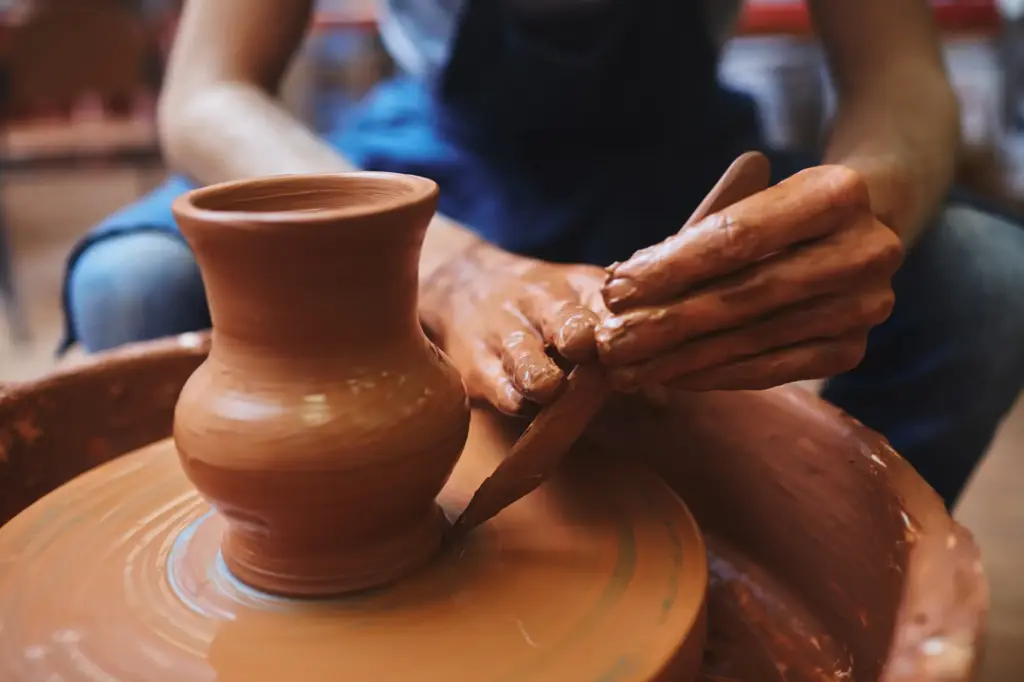
Tiles line the wall like weather records: ash from pruned vines, river clay blends, sea-salt vapor on stoneware. She annotates every square—temperatures, soak times, cooling notes—so experiments build on each other, not repeat wastefully. Neighbors bring jars of interesting sands; she trades bowls for feedback. Firing days become courtyard gatherings with soup and shared bread, and even failed tests gain life as mosaic steps. Curiosity, not consumption, drives progress, yielding beauty tuned to place.
Join the Circle: Learn, Share, Support
You are warmly invited to practice along, ask questions, and help this craft ecosystem flourish. Subscribe for workshop guides, repair prompts, and material maps; comment with your experiments and dilemmas. Each message shapes future features, highlighting makers who welcome visits or apprentices. Together we can reduce waste, increase joy, and keep value local. Your curiosity fuels resilience, and your hands—however new—can already begin to make durable, generous choices this week.
All Rights Reserved.